Testdrive: Suzuki Swift 2018

‘Lighter, quicker, sportier. Even more fun’. This particular quote is the headline of the Suzuki Swift brochure, which is lying right in front of me. The car has been on European markets for a few months now, but I never really had the chance to take it for a spin. Recently I got that particular opportunity and I wouldn’t let the readers of this blog miss out on the chance to read my opinion about it. To get one thing out of the way before hitting of; I’m planning to do a dedicated review of the Swift Sport in the near future, so this testdrive will only cover the regular line-up.

Gerelateerde afbeelding

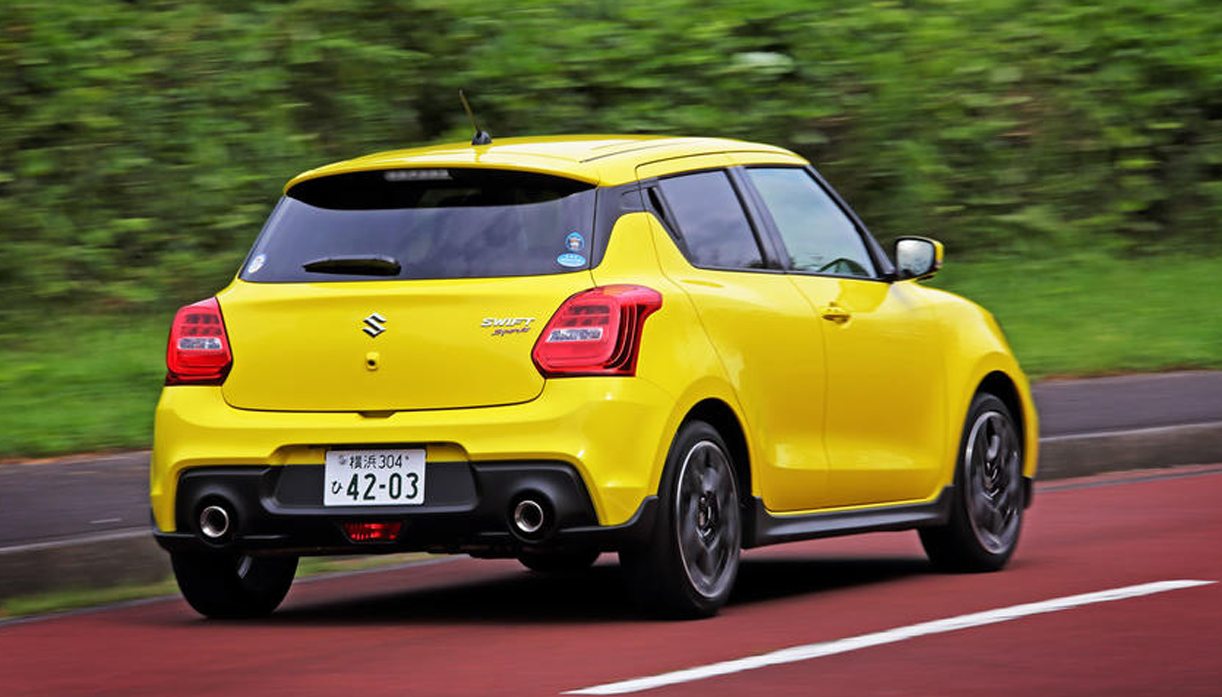
The old Swift was actually quite a decent car when it launched, but that is literally more than a decade ago (the small facelift in between doesn’t really count imo). Therefore, it became obsolete when compared to more modern competitors. Suzuki had thus quite the challenge to re-invent its once so popular b-segment car. Styling wise, the car remains close to its roots. It’s definitely a 2018 car, but the changes are smaller than other brands in the segment saw happen over the past years, most prominently the Volkswagen Polo and Renault Clio.

Afbeeldingsresultaat voor Suzuki Swift Sportline

Suzuki is offering quite a decent line-up for the model, and we’d like to start off by advising against the CVT and automatic options. These simply are not modern enough to be meaningful and do the lively character of the car no good. Then the two engines; there is choice between a 1.2L atmosferic four cylinder with 90 hp or a 1.0L turbocharged ‘Boosterjet-engine’ with 112 horses. Our testcar had the four pot variant, which is a bit cheaper to get, but if you got the choice we’d opt for the Boosterjet. The atmosferic engine feels like a dinosaur; its low end power is poor and even when pulling it through to 5000 rpm the acceleration is still disappointing, let even alone the appalling soundtrack. Don’t get me wrong; it will do on a city car performance wise but for anything more, and the Swift can definitely handle more, the turbo engine is better. Also for highway use and the high speed overtaking that involves. A downside is that both don’t come with a six speed.

Afbeeldingsresultaat voor Suzuki Swift Boosterjet engine

Suzuki additionally offers a mild hybrid system on both engines (called SHVS) but we’re told it only exists to bring down Co2 emissions and offers no real added value for the cost it implies. In theory; it should boost acceleration from the battery, while recharging when braking. Though we really weren’t able to notice any added punch when flooring the 1.2L and therefore would advise to keep the change in your pocket.
Afbeeldingsresultaat voor suzuki swift interior

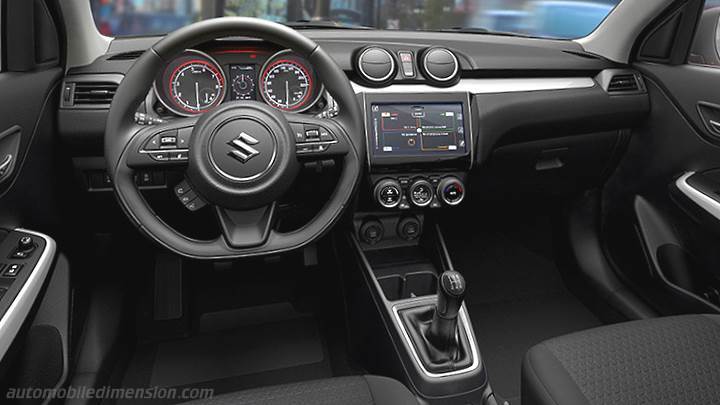
In the cabin, there are few things to notice immediately. First, the seating position is a bit high for a sportier car, and the seats too flat. It would be nice to have to option for more supportive and lower buckets. Second; the headroom is excellent. The Swift is quite a high car and that translates to an abundance of room for taller people. I’m 1.92m myself and was really surprised to see the amount of space left, also in the rear. Then build quality and use of materials. Suzuki made large steps in this department when comparing to other cars from the brand, but it’s still not the nicest in class. The steering wheel, when you got the leather option, feels great to the touch but the upper parts of the door cards and lower parts of the dash not so much. Still, because Suzuki did a good job using modern looking plastics and designs, and additionally making sure the panels don’t leave large gaps, it’s passable.

Afbeeldingsresultaat voor suzuki swift infotainment

Ergonomics are decent, most things are where you expect them to be. A/C controls are pretty straightforward (they look extra nice when going for automatic climate control!), the infotainment menu structure is clear and the system is quite fast, and so is the onboard computer in the gauge cluster. All driver assistance systems (quite a few, good job Suzuki) are easy controlled from a row of buttons to the left of the wheel. Less impressive are the heated seats having only one measly preset (on and off) and the feel of the transmission. The lever is positioned too low and it feels like it’s stuck to some loose rubberbands when using it. Clutch in return is okay. Steering feel is even better, combining light operation with a confident feeling you’re actually controlling the front wheels, which is not always the case in this segment (looking at you Citroen).
Afbeeldingsresultaat voor suzuki swift

Another thing Suzuki is doing right with the swift is the kit it comes with. It’s simply available with everything you could possibly want in 2018, ranging from adaptive cruise control and lane keeping aid to city emergency braking and wireless charging pads for your phone. Of course it doesn’t all come standard on the cheapest version, but it’s available if you’re willing to pay a modest amount of money for it. Our advise on the version you should pick? Well, we think you should either go for the basic 1.2L in Comfort trim (€15.500) or invest a bit more in a midrange 1.0L Boosterjet Select (€18.300). Normally, we advise against going for the most basic trim because they’re generally versions so poor equipped that they only serve to pose with a small sticker price and nothing else. But in the case of the Swift, for the named price you already get manual A/C, audio, electric windows & mirrors, a leather wrapped steering wheel, and a board computer. The Select adds items like 16″ alloys, a rear view camera, 7″ infotainment, heated seats, and a sportier front grille.

Afbeeldingsresultaat voor suzuki swift boosterjet

Wrap-up:

+ 1.0L boosterjet engine                                                                                                                      + handling                                                                                                                                               + available kit (both luxury and driver assistance)

— no six speed manual available (except on Sport)                                                                        — seats and seating position                                                                                                                — gear lever position and feel
 

Testdrive: Ford Focus 2019

Ford recently presented its latest offering in the compact segment, the new Focus. The Focus is widely known for its excellent driving characteristics, solid design, and German build quality. After a short test drive in the new Focus, these values still stand. However, Ford also made sure the car has all the modern kit competitors have, making the car ready for the next few years.

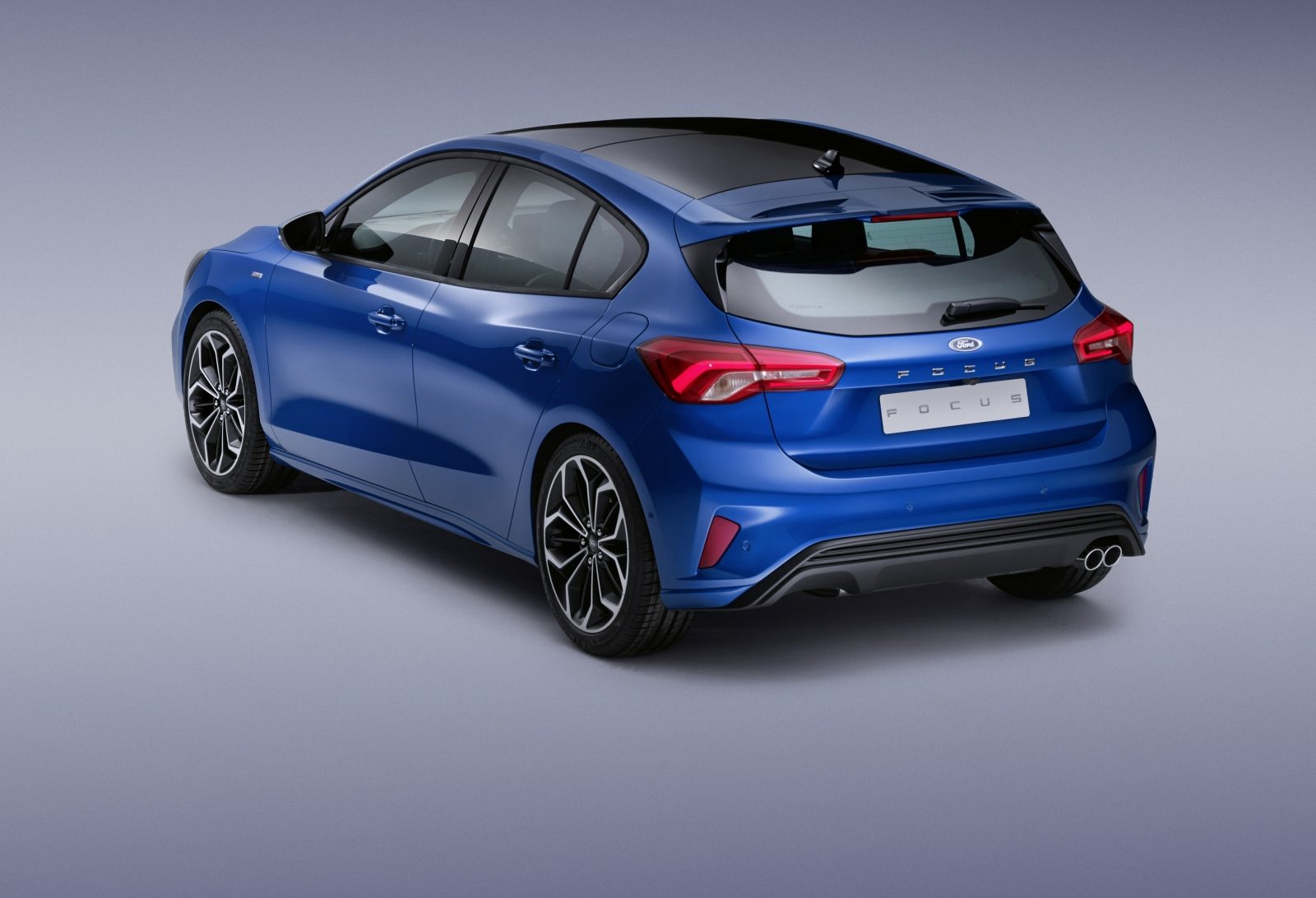
focus stline

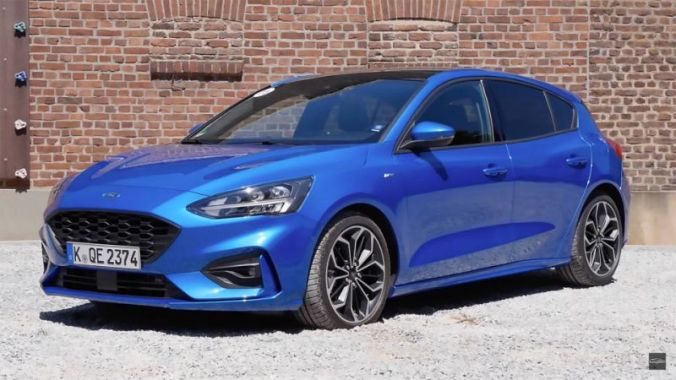
Our vehicle was a beautiful blue 1.0l EcoBoost ST-Line, sporting 125hp from its three cylinder petrol engine. That engine is mated to a decent six speed manual. The car offers enough punch for your everyday commute, more so than par example the 110hp PureTech engines in Peugeot and Citroen cars. It’s easy to see why this particular EcoBoost has won prizes; it’s economical, well-performing, and free from vibrations or other three-cylinder issues.

Still, if you’re more of an enthousiast driver and willing to use Ford’s excellent chassis and suspension setup to its fullest, opt for the more powerful 1.5 litre EcoBoost engines. They still got three cylinders, but offer 150 or 182 horsepower for an even better experience. Currently, in some markets the 150 is only available with an automatic, making it more expensive to buy than the 182 with a manual. We expect Ford to offer both options with both transmissions in the near future. The 1.5l is the also the best option if your commute or general car driving involves frequent Autobahn use, since the 1.0L lacks when accelerating from 80-120kph in fifth or sixth gear.

The updated interior now features better ergonomics and higher quality materials. Still; both ergonomics (for example; small A/C controls) and overall feel of quality (lower parts of dash and door cards) aren’t best in class. Cars like the VW Golf VII and the new Mercedes A-class are doing better jobs in these departments. Still, it compares nicely to other non-premium offerings like the Renault Megane, Opel Astra, and Kia Ceed. Ford earns points for the very robust leather-wrapped steering wheel, which is even thicker in ST-line trim. The position of the infotainment screen and the readability is also a plus, but the unit itself looks a bit cheap and so do the menus and the font of the Sync 3 system.

Where the new Focus really excels in comparison with its competitors is the MSRP Ford gave to the new car. You can get your hands on a brand new one from around 22,000 EUR (depending on market). However, the 1.5 ecoboost with 182hp in ST-Line is also still available for under 30 grand. When one considers the good standard kit that comes with the ST-line, it is simply a very attractive offering.

TL/DR:

+ handling                                                                                                                                                + price                                                                                                                                                       + MPG

— material quality                                                                                                                                  — Sync III infotainment                                                                                                                        — Generic styling


The New Peugeot 508

It has been a while since a new article was posted on this blog, largely due to the fact that my regular daytime job (which I require for a stable income) took a lot of my time, also after working hours. However, with the holiday period coming up I’ll be able to invest more time into writing and car reviewing, something I hope everyone reading the articles appreciates. Over the course of the past months, view count numbers have been growing steadily, which is great and a real motivating factor for me.

Now on to the topic of today’s article, which is the brand new Peugeot 508, which was released to to the world around three weeks ago. For readers from the United States; the 508 is a mid sized sedan/hatchback/estate which competes with cars like the Volkswagen Passat and the Ford Fusion / Mondeo.

The car arrives in interesting times. In different European countries, the D-segment, home of the 508, is not going very well. Sales are down for multiple consecutive years, and the customers staying are almost all lease companies and no private buyers. That is probably why Peugeot thought it wise to change their approach to the segment and position their offering differently. They did so by unveiling a sporty yet elegant design with more resemblance to a five door coupe (like the Volkswagen Arteon and the Audi A5) than a traditional four door sedan.

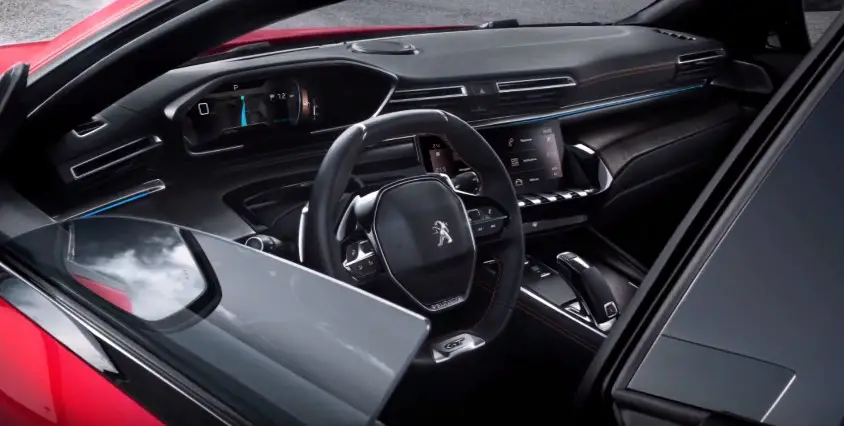
Press critics until now have been very positive about this new angle of the French carmaker. Almost everyone seems to like the design language and the overall package Peugeot is now offering. Personally, I specifically appreciate the more sporty design seen on the GT-Line variant on the pictures in this article, it has been a while since Peugeot chose for a muscular and sportive design and I think they changed direction with the 508 in a very good way. Apart from that, it is also a very welcome change to the loads and loads of SUVs and crossovers we saw recently flooding the markets.

Interior wise Peugeot opts for a new iteration of its ‘I-Cockpit’, which revolves around a digital instrument cluster, smaller and lower positioned steering wheel, and control switches aimed towards the driver. All details have been executed with the best materials and nicest eye for detail. The looks of it are not as clean as, par example, an Audi A4, but it looks almost as high quality and is a lot more refreshing.

Apart from the five door liftback there will also be an estate, called 508 SW. From the side it looks a bit like the 308 SW, but the rear is a lot stronger and, to my opinion, better looking. Engine options for now consist of petrol and diesel powertrains, from 130hp to 225. Price wise Peugeot is kicking things off with special introduction version, which are not the cheapest and could be obtained for prices around €50k. The current baseline goes for €38k (in the Netherlands) which gets the mentioned diesel with a manual 6-speed gearbox, front wheel drive, and the Active trim. This trim has the main niceties of the interior but moves on smaller wheels (16″) and swaps the ‘sabretooth’ LED lights on the front for aluminium strips.


Test: Hyundai i20 Coupe (120) Review

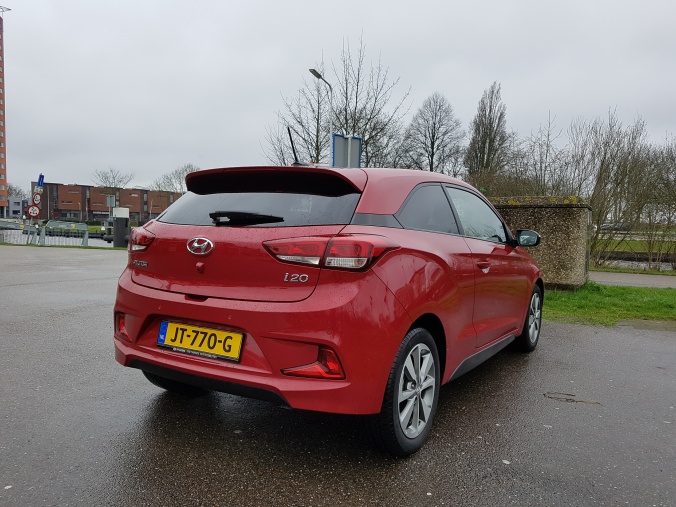
Inmiddels is de nieuwe i20 alweer even op de markt; de productie van het model startte begin 2015. Het model valt tussen de concurrentie echter op door zijn volwassen verschijning en verkoopt goed.  Deze zaken waren dan ook de aanleiding dat wij van AutoExperience er graag een keer een blokje mee om wilden. Om de test wat aantrekkelijker te maken hebben we gereden met de in Nederland vrij zeldzame driedeurs versie, genaamd i20 coupé. Qua uiterlijk is het nog steeds een hatchback, maar wel met een duidelijk lagere en sportievere lijn dan de vijfdeurs, vergelijk maar de Seat Leon SC en de Astra GTC. In onderstaande test zijn onze bevindingen nader toegelicht.

20170320_114017

Design

Zoals opgemerkt valt de i20 qua design positief op; de auto oogt modern en vooral erg groot. Bijna alsof de auto zich een half segment hoger bevindt. Voor de driedeurs gaat dat iets minder op, maar daar komt de lengte juist de sportieve lijn ten goede. De vorige i20 vonden we niet geweldig geslaagd qua uiterlijk, deze was vrij hoog en een stuk minder spannend gelijnd.

20170320_114006

20170320_114117

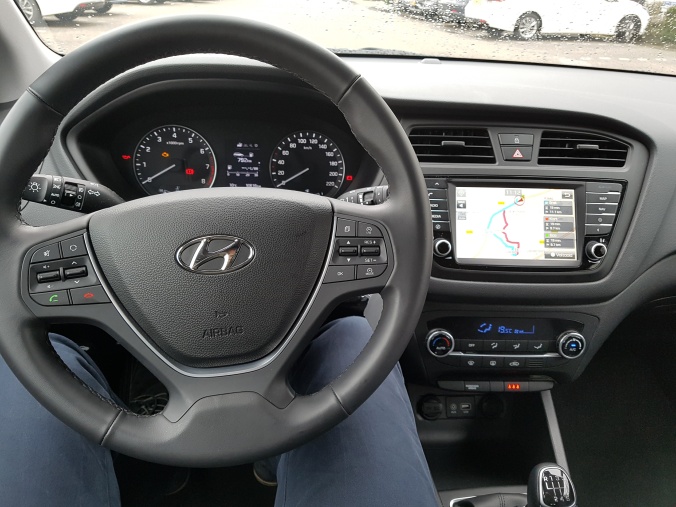
Ook binnen doet Hyundai goede zaken. In het algemeen is de i20 voor een b-segmenter netjes afgewerkt en is het materiaalgebruik in orde. Uiteraard vinden we hier en daar wel wat hard plastic terug. Onze testauto is overigens een full-option model wat er dankzij het lederen multifunctionele stuurwiel, de climate controle, en het infotainment-cluster ook beter uit zal zien dan een kale instapper (maar dat is bij ieder merk het geval).

20170320_113953

20170320_111248

Aandrijflijn

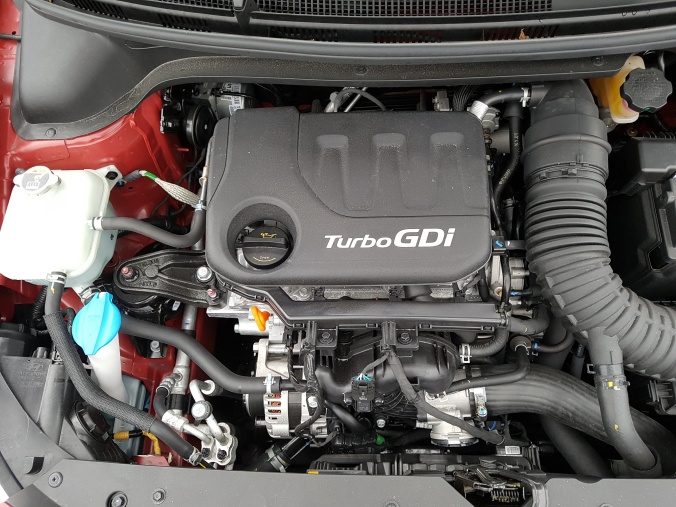
De i20 is in 5-deursvorm verkrijgbaar met verschillende motoren, waaronder twee varianten van de 1.0 3-cilinder T-GDI en een 1.1 CRDi dieselmotor. In andere landen is daarnaast een ongeblazen 1.4 viercilinder beschikbaar als instapmotor. De coupé die wij reden doet het met een wat minder breed gamma; zo is er enkel benzine te krijgen in de vorm van de twee T-GDI krachtbronnen (100 en 120pk).

20170320_114531

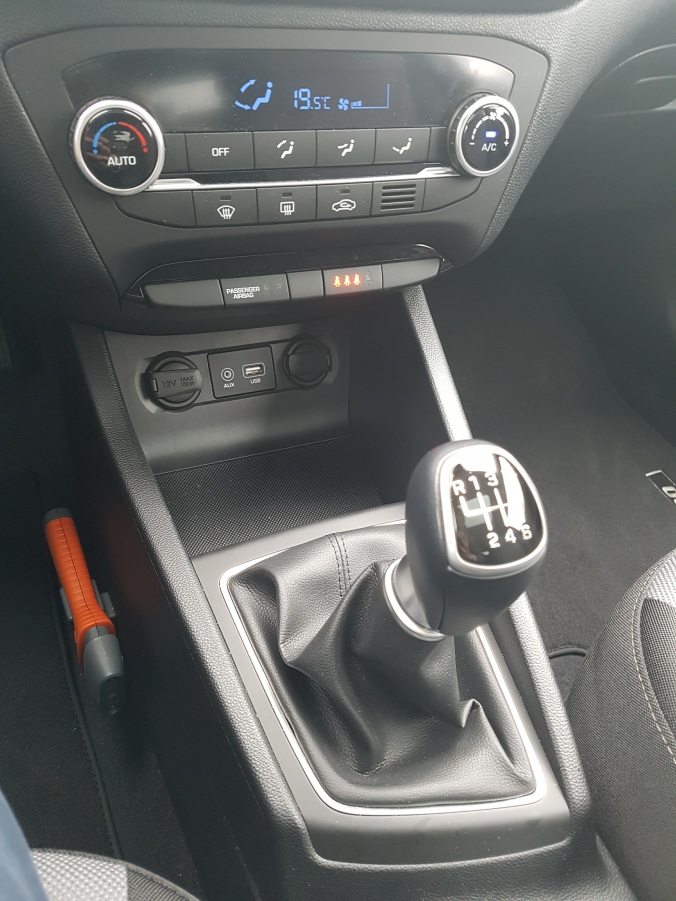
Onze testauto beschikte over de 120pk krachtbron, wat overigens automatisch betekent dat je ook over het meest luxueuze uitrustingsniveau beschikt. Dit heeft als nadeel dat wanneer je per se deze motorvariant wilt rijden, je dus ook minimaal 22k kwijt bent.  Het zou wat dat betreft beter  zijn als deze motor ook een niveau lager beschikbaar was. Voordeel is dan weer dat er verder weinig te wensen is, alle opties zijn al aangekruist. De 120pk motor beschikt over genoeg kracht de i20 soepel voort te stuwen, wat ook blijkt uit het feit dat snellere inhaalmanoeuvres op hogere snelheid geen enkel probleem zijn. Wel is de T-GDI krachtbron tussen 1000 en 1500 toeren wat knorrig en onwelwillend, waardoor je eerder geneigd bent iets meer toeren te draaien – zoals bij een conventionele verbrandingsmotor. Andere merken met een driecilinder turbo hebben dit iets beter voor elkaar. De geluidsbeleving is overigens goed in orde; de motor klinkt zwaarder dan hij eigenlijk is, waardoor het af en toe bijna lijkt alsof je met een diesel onderweg bent. De koppeling had wat zwaarder en gevoeliger gemogen, maar we zijn erg te spreken over de manier waarop de versnellingspook zich door de verzetten laat bewegen. Dit gaat namelijk soepel en met een duidelijke klik. Overigens is het ook het vermelden waard dat de 120pk over een zesbak beschikt, waar dat er voor de mindere varianten slechts vijf zijn.

20170320_115112

Rij-eigenschappen

Goede rij-eigenschappen beginnen met een fijne zitpositie, en die is in orde. Je zit lekker diep, en het stuur laat zich ver naar je toe halen. Over de steun die de stoelen bieden zijn we minder tevreden, ze zijn hard zonder daarbij een goed omsloten gevoel te bieden. Overigens zien ze er ook niet bijzonder sportief of hoogwaardig uit.

Het onderstel is duidelijk afgestemd op de wat sportievere rijder, want het geeft duidelijk door wat er onder je gebeurd. De 16 inch lichtmetalen velgen met wat plattere banden zullen door ook aan bijgedragen hebben. Daarbij heeft Hyundai tegelijkertijd gezorgd dat de auto niet bonkerig oncomfortabel wordt, de i20 is prima in te zetten als cruiser voor de langere afstanden. Het stuurgevoel is eveneens oké, met voldoende directheid. Wel wat aan de lichte kant, iets wat we bij vrijwel alle moderne compacte auto’s merken.

Uitrusting

Standaard uitrusting ‘Premium’:

  • Start/stop systeem
  • Hill Start Assist (HSA)
  • Cruise controle
  • LED dagrijverlichting
  • LDWS (passief)
  • Parkeersensoren v/a + achteruitrijcamera
  • Climate controle
  • Licht / regensensor
  • Lederen multifunctioneel stuurwiel
  • Geïntegreerd 8 inch touchscreen infotainment inclusief
    • Navigatie / DAB+ / USB / Bluetooth / 6-speaker audio incl. tweeters
  • Elektr. schuif / kanteldak incl. zonwering
  • 16″ lichtmetaal
  • LED achterlichten
  • Getinte ruiten achter

Configuratie

  • Hyundai i20 Coupé 1.0 T-GDI 120pk Premium – €22.295
    Mica lak ‘Red Passion’ €695

Oordeel

  • + Ruimte-aanbod
  • + Werking infotainment
  • + Prestaties
  • – Stoelen
  • – Aantal beschikbare configuraties


Geneva 2017: Audi RS5 Coupe

We at AutoExperience already dedicated some words to the new A4/A5 cars from the well known manufacturer based in Ingolstadt, Germany. But today things got more exciting, because Audi brought its RS (rennsport) version of the new A5 to Geneva.

(Are you a Dutch Audi dealership and interested in a review (including pictures) of the new A5/S5/RS5 by us, which will of course be published online, let us know!)

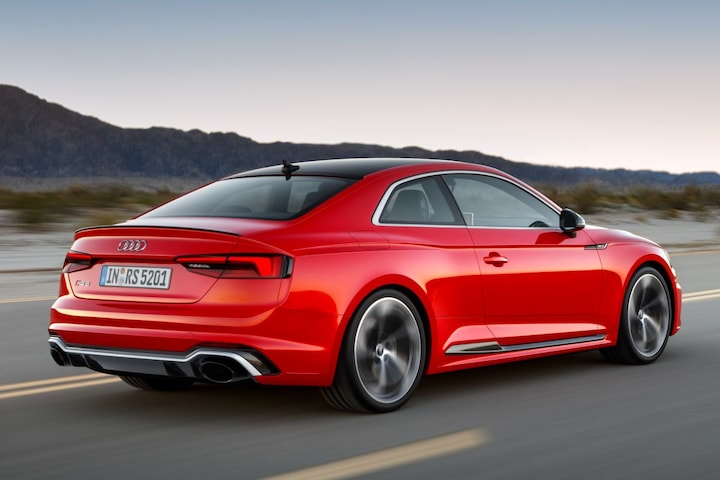
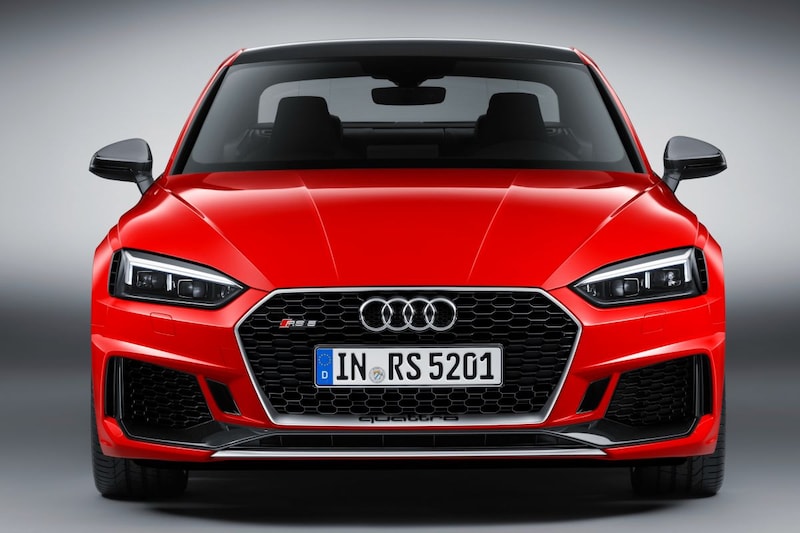
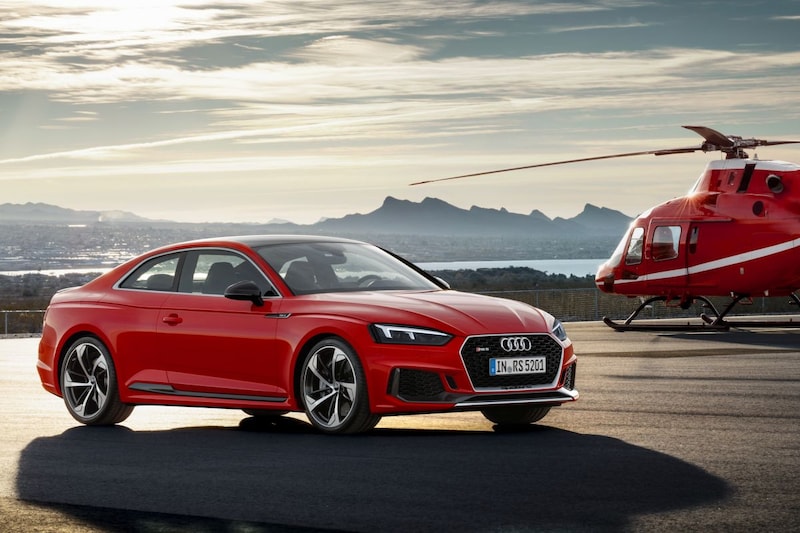
To start with our opinion on the cars design: we are impressed. Where the regular A5 and even the S5 were a bit tame and missed the brute presence of the previous A5, this RS model by Quattro GmbH does everything right by combining the beautiful timeless design of the regular A5 with some powerful extras. The black carbon front splitter, skirts, and smoked headlights are some of these. The extra ‘mini-intake’ left and right from the center grille is an attractive sporty extra with makes it easy identifiable as an RS5.

The interior gets similar treatment: Various carbon elements, beautiful quilted leather with a red / black theme, and a very tasty alcantara steering wheel which you want to grap just from the pictures only. Combine this with what already was the nicest interior in a D-segment car and the overall impression is very good.

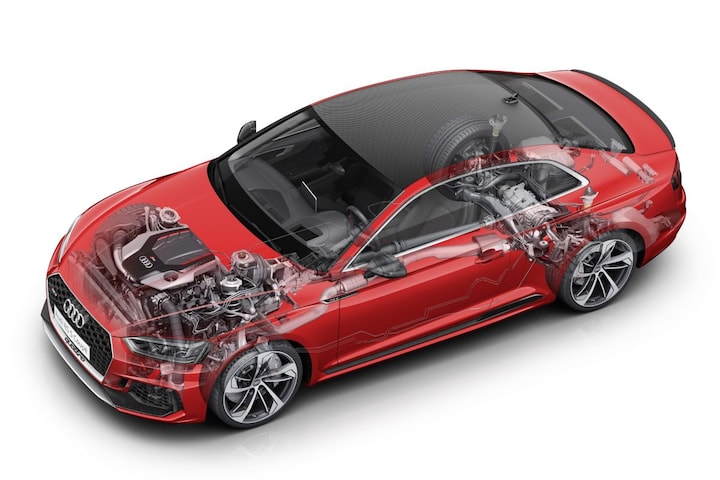
Engine-wise, we have a 2.9 litre V6 with two turbo’s. The powerplant produces an impressive 450hp and 600Nm of torque. This is more than the 4.2 V8 which was present in earlier renditions of the RS4 and RS5. Acceleration to 100 kph is below 4 seconds and with the optional Performance package top speed is limited at 280 kph.

The car will probably available later this year (2H2017) and will cost roughly the same as competitors like the BMW M4 and the fresh Alfa Giulia Quadrifoglio (90-120k, depending which country you live due to taxes).


Geneva 2017: ItalDesign Zerouno

It’s Volkswagen Group night in Swiss Geneva, which means we get to see which niceties the European concern has in store for us this year. There is a lot; and we from AutoExperience will bring you all the highlights. Starting with a very special car from the ItalDesign studio, usually only known from designing for other brands, but now having their real own car.

The all new Zerouno looks like a combination of the rarest Lamborghini’s (Veneno, Centenario) and something that originated in the multiplayer of Grand Theft Auto V. Still, it’s a real car with real specs and an unreal price.

The idea behind the ItalDesign cars is that are to be very exclusive in numbers, only a few of this particular one will be build. However, they use components also seen on other VAG products. The Zerouno makes heavy use of carbon fibre, as expected, and uses the well known 5.2 litre V10 also seen in the Lambo Huracan and Audi R8.

Performance wise, the car is not designed to be a contender to the Bugatti Chiron, but it will be definitely be more rare, with only 5 cars planned for now. Prices are unknown yet, but are expected to lie between 500.000 and one million dollars.


A Most Ridiculous Cabrio

In a world where every single Facebook user gets spammed by commercials of Supercells ‘award-winning’ mobile game, Clash Royale, there also seems to be enough quirkyness in entirely different areas of the market, like the automotive industry.

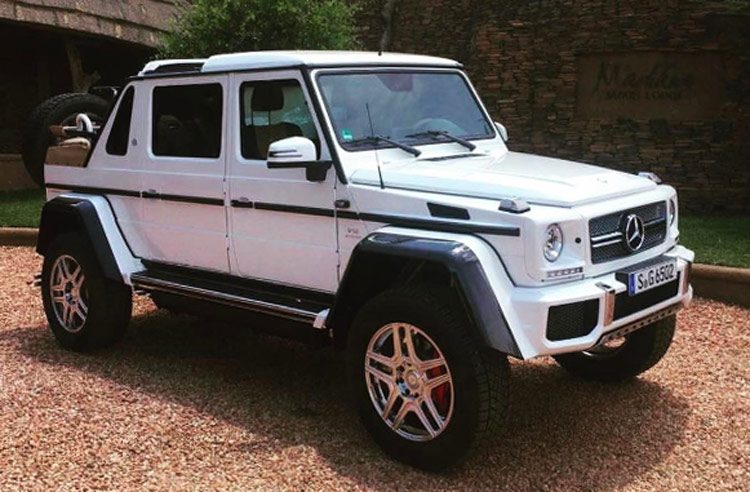
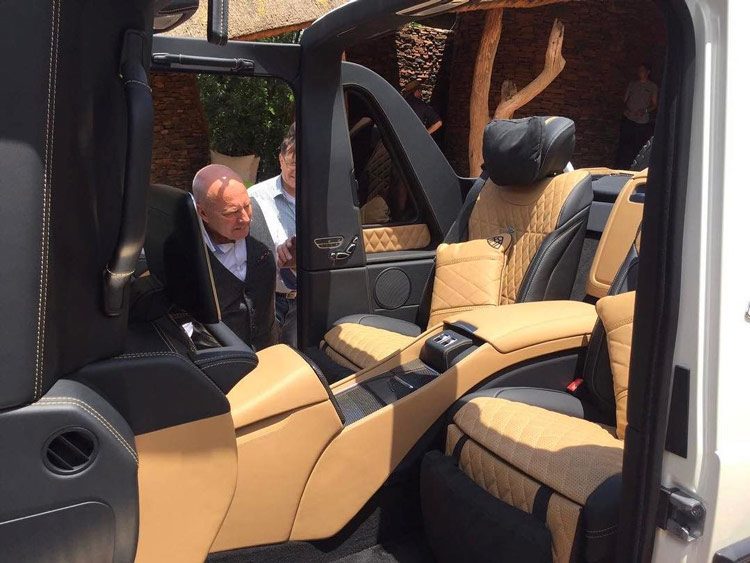
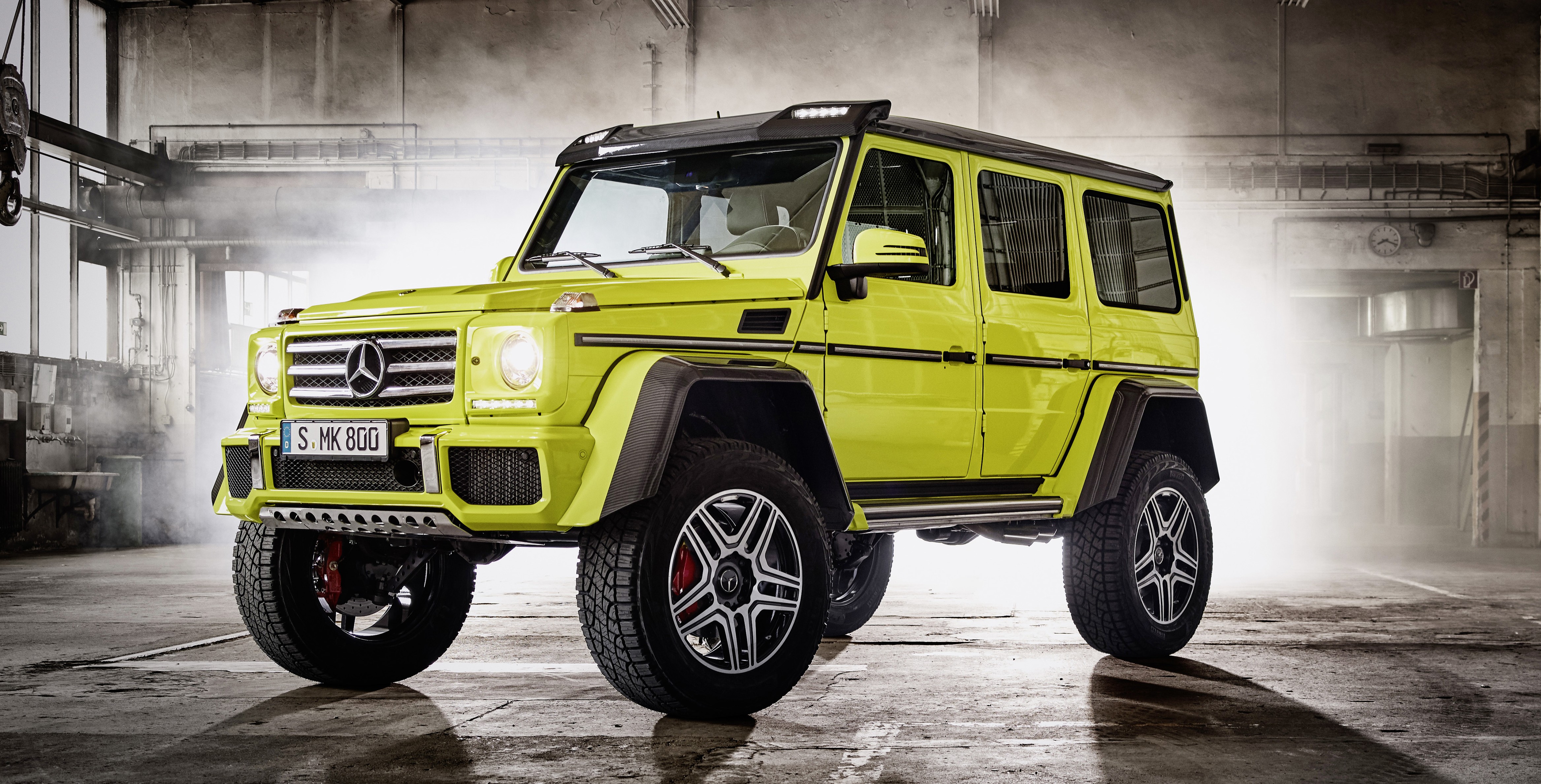
And therefore.. Meet the *leaked* Mercedes Benz G650 Cabriolet LWB. Packing extravagant looks and a gas-guzzling V12 with at least 500hp, 800Nm, and nature-defying acceleration. You say; Mercedes had convertible variants of the G-wagon before? True, but those were all based on the short wheel based version (SWB). An example is the G500 Cabriolet Final Edition from 2013, which we conveniently left below.

And in a world where Mercedes seems to have fun launching all kinds of ridiculous variants of the G-Class like the 4×4^2 and the 6×6 (also as G63 AMG), a really monstrous cabrio was dearly missed. Or so it seems.

Video: http://www.autojunk.nl/2017/02/mercedes-maybach-g-650-cabriolet

There still seems to be some discussion about the final name of the product, since Maybach badges are apparently present on the car. Therefore, it could be called something like Mercedes-Maybach G650 Cabriolet, which is in line with Stuttgart’s naming conventions. We also noted that the behemoth borrowed some parts of the 4×4^2, which causes it to have even more ground clearance than a standard G. Speaking about that particular car, which looks like a standard G500 tried to have babies with a Unimog, we found this really nic pic of it:

Unfortunately no official information from Mercedes as of yet.


2016’s LEAST sold supercars

When reading up on the many automotive statistics that generally surface around the end of the calendar year, one specific list came to our attention. It contains a table with the LEAST sold supercars in the Netherlands in 2016.

Actually, it is even possible to divide between supercars that were bought by only a few, and supercars that were bought by NONE. In this last category, we find:

  • Aston Martin Rapide & Aston Martin V12 Vantage
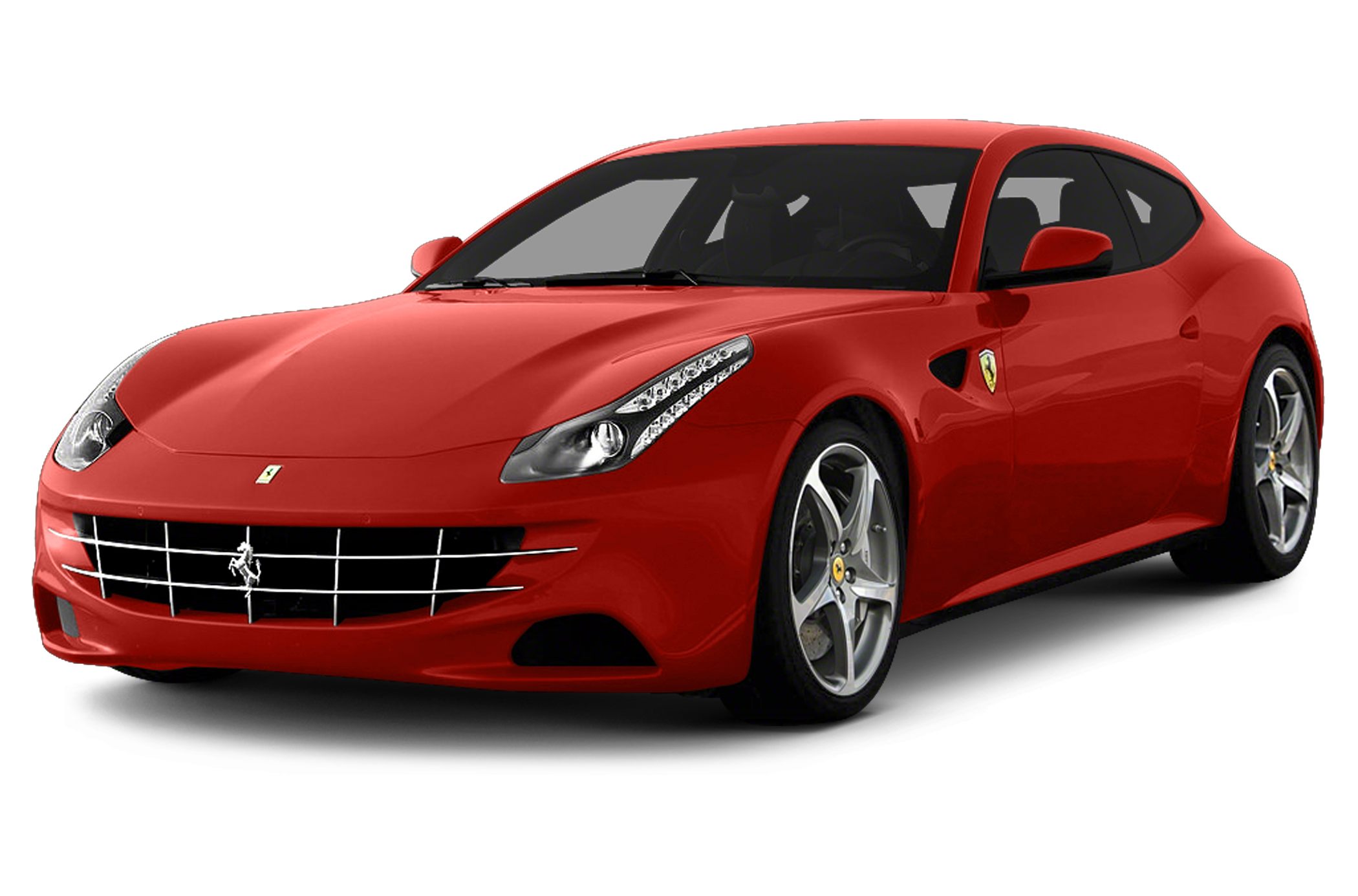
  • Ferrari’s 458 Italia and FF
  • Maserati GranTurismo
  • Porsche 918 Spyder

The Porker 918 being unsold is not so much of a surprise; the car is very exclusive and is only being produced and sold in very low numbers. However, we don’t really agree with the Aston V12 Vantage and the Ferrari FF, since we think they are great. Therefore, let’s at least honor them with a nice photographical mentioning:

Then, there are the supercars being only sold once or twice. These include:

  • Audi RS7
  • Lexus RC-F
  • Lotus Elise / Exige (2 and 1)
  • Morgan Aero8
  • Nissan GT-R
  • Bentley Mulsanne
  • Corvette

Particularly surprised were we by the low numbers of relatively common or cheaper sportscars, like the Audi RS7 (a blast among professional soccer players), the Lotus duo (cheap in the Netherlands because four cylinder engines), and the Nissan GT-R (not that rare on the Dutch streets). These number imply that cars like the Lamborghini Huracan and Aventador were sold MORE. Same for ALL the Rolls Royces except the Phantom. Even the McLaren 675LT was sold FIVE times in the Netherlands in 2016. Strange numbers indeed.

At last, a pic of the epic Morgan Aero 8 (supersports edition):

credits for Autoblog.nl for publishing the list (http://www.autoblog.nl/nieuws/dit-zijn-de-minst-verkochte-supercars-van-2016-94585)


Volvo 960: Youngtimer of the Week

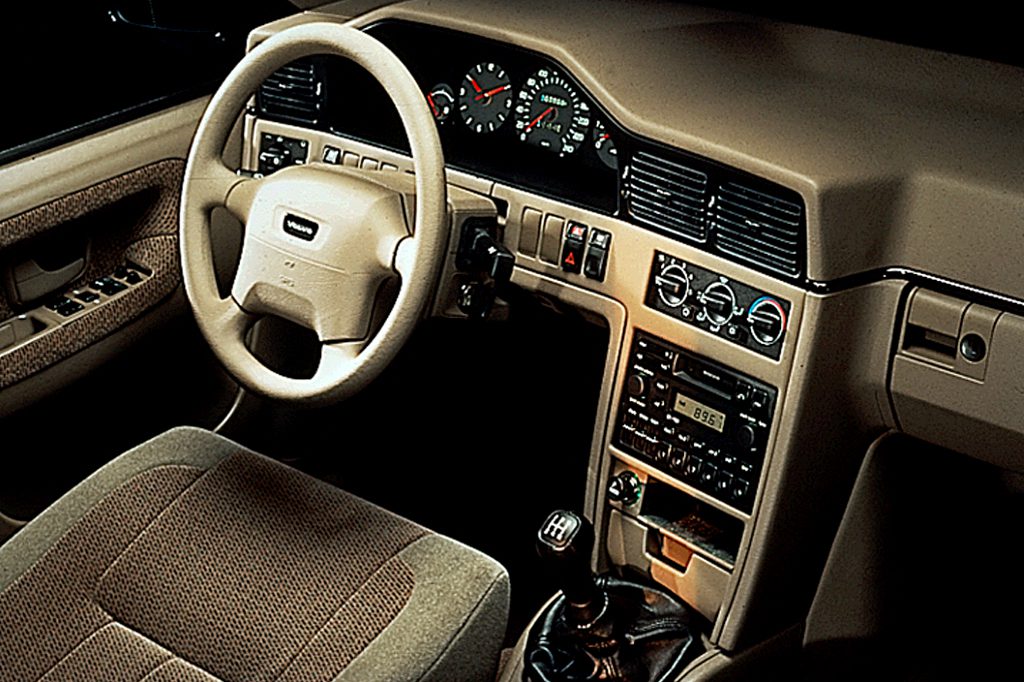
New series on AutoExperience: Every week one of our editors picks a car not older than 30 or newer than 10 years and publishes stats and some nice pictures.

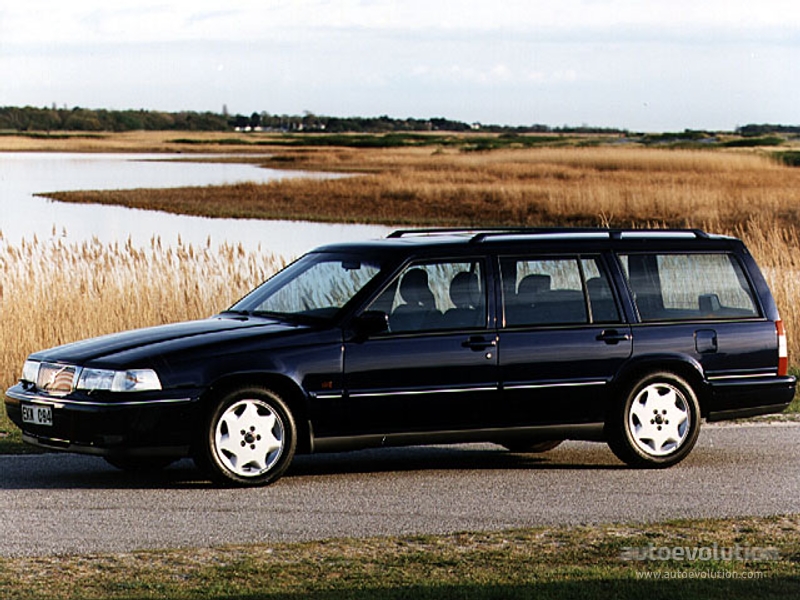
Volvo is kicking things off with its very characterstic 960:

  • Built from 1990 to 1998
  • Successor of the 740 and upmarket brother of the 940
  • In the last two production years sold as the S90 and V90 (depending on saloon or estate)
  • Signature-smooth 3.0 Inline-Six 24V DOHC engine with 204 hp / 270 Nm
  • Curb weight at least 1560kg
  • 0-100 in 9.1s / limited top speed of 210 km/h
  • Base price from $34.000 for MY96

Upcoming: Seat Ateca Review

We at AutoExperience are very happy with the absolute surge in view numbers for our latest test / review article with the all-new Citroen C3. Since you as a reader seem to appreciate content like that; we are already preparing more.

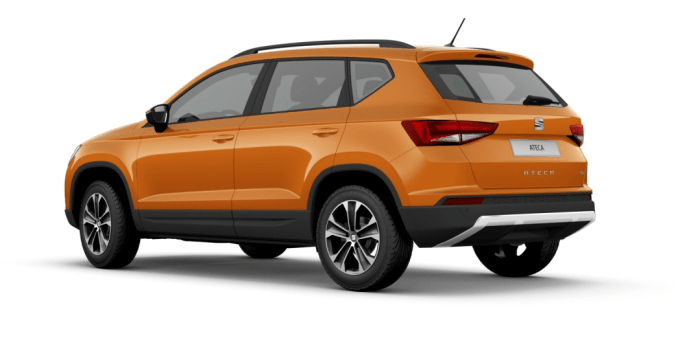
ateca1

For our next test, we are planning to drive the new Seat Ateca. the Ateca is very important car for the (originally) Spanisch carmakers since it’s their first real SUV. It operates in the same segment as the Volkswagen Tiguan, with which it also shares quite some parts and engines. In order to get you prepared for the things to come; we went through the online configurator (http://configurator.seat.nl/ateca) and assembled the following setup.

ateca2.PNG

Seat Ateca 1.4 TSI (150) Style – €31.235 (Dutch MSRP)

  • ‘Samoa Orange’ (metallic) €650
  • 17″ ‘Bicolour Dynamic’ alloys €390
  • Top speed 205 kp/h
  • 0-100 in 8.5 sec
  • 250Nm of torque
  • Six speed manual
  • Consumption 1:18.8

Style included options:

  • Cruise controle
  • Electronic differentials (XDS)
  • Leather wrapped steering wheel
  • Front fog lights
  • Climate controle
  • Infotainment ‘Colour Plus’ (7″ touchscreen)
  • PDC rear
  • Alu accents front and rear bumpers

ateca3.PNG

Extra options:

  • ‘Style’ Alcantara sports seats €450
  • ‘Upgrade Professional 1’ (8″ satnav / light+rain sensors / auto dimming mirror / rearview camera / privacy glass) €690
  • ‘Upgrade Technology 1’ (ACC / LDWS / AHB / RSI) €650
  • ‘Upgrade Sound’ (10 speakers incl. subwoofer) €390
  • ‘Upgrade Winter’ (heated front seats + mirrors + headlights) €390
  • Seat ‘Drive Profile’ €190
  • Heated Windscreen €190

€34.535